
Maintenance planning should begin while equipment is being selected, not only after a machine develops a problem. A useful plan connects each machine to its current records, identifies which items require exact model confirmation and gives operators a clear route for documenting future issues.
This checklist is for distributors, hospitality buyers, project teams and operators preparing a new equipment order or reviewing an existing coffee setup. It does not prescribe a universal service interval or replace the manufacturer’s current instructions, a qualified technician or local safety requirements.
Build an equipment register first
Create one record for every machine included in the project. Similar-looking equipment may use different components, electrical configurations or service documents, so a category name alone is not enough.
Record:
- site, department or counter location;
- brand, exact model and version where available;
- serial number or other machine identifier;
- voltage, frequency, plug or connection configuration;
- installation or commissioning date where known;
- current manuals, parts diagrams and supplier records;
- included accessories and any approved optional components;
- the party responsible for daily care, technical service and purchasing; and
- photographs of the machine, rating label and relevant connection points.
For a new purchase, mark any missing field as an open item in the sourcing brief. Do not fill a gap with information from a similar model.
Separate four maintenance item types
Organize the request into four groups so that routine care is not confused with technical repair.
- Cleaning tools and consumables. Items used during approved routine cleaning. The exact product, method and frequency should follow current instructions for the reviewed machine.
- Replaceable wear parts. Components that may require inspection or replacement during normal use. Confirm the correct part reference and who is permitted to replace it.
- Operational spares. Buyer-selected backup items intended to reduce interruption risk. The appropriate list depends on the equipment, local support route and operating plan.
- Service-only components. Parts that should be diagnosed or installed by an appropriately qualified service party. A spare-parts order should never be treated as permission to perform an unsafe repair.
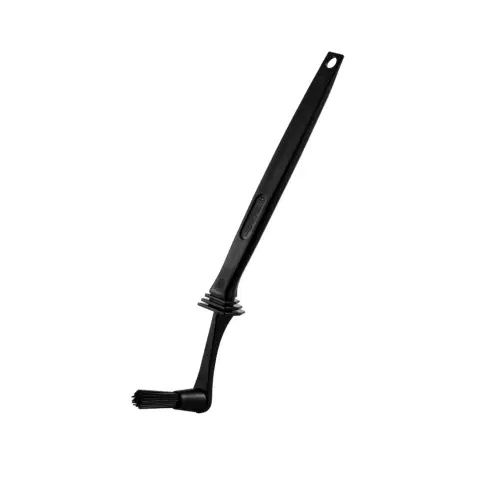
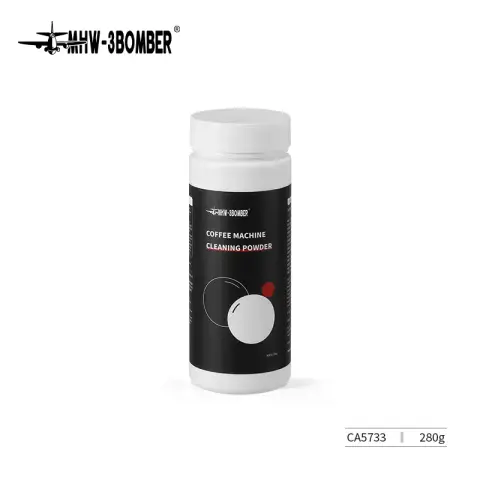
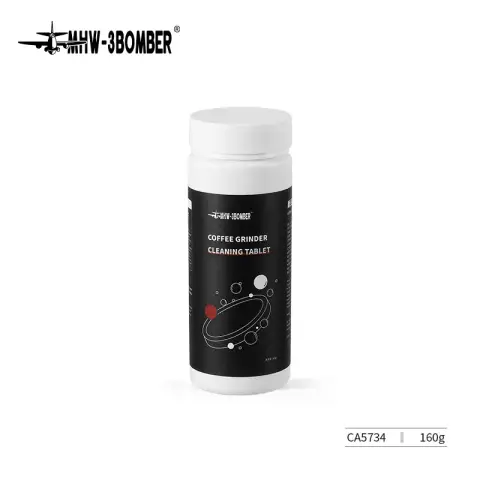
Published YKCoffee pages can help identify products to discuss. Current examples include the MHW-3BOMBER B5189-OS elbow brush, CA5733 coffee machine cleaning powder and CA5734 coffee grinder cleaning tablet. These links are inquiry references only. Confirm the intended application, instructions, documentation, packing and current availability for the actual request.
Request model-specific maintenance evidence
Ask the supplier or responsible service party for the current records that apply to the exact machine and configuration. Depending on the equipment, the review may include:
- operator cleaning and routine-care instructions;
- maintenance tasks and the party qualified to perform them;
- approved cleaning products, tools or material restrictions;
- current parts identification or an exploded diagram where available;
- warnings, isolation steps and other safety requirements;
- troubleshooting information intended for the operator;
- service contact or escalation route;
- documentation supplied with the reviewed configuration; and
- open evidence that still requires manufacturer or supplier confirmation.
Keep the original file name, revision or date when it is available. This helps the buyer distinguish a current document from an older catalogue or an unrelated regional version.
Match every spare to the exact machine
A product photograph or general description is not enough to confirm a spare part. Before placing an inquiry, connect every requested item to the machine record.
For each item, capture:
- part name and supplier or manufacturer reference;
- compatible machine model and version as currently confirmed;
- dimensions or connection details only when supported by the current record;
- material, rating or configuration where it affects identification;
- clear photographs of the existing part and its installed position;
- requested quantity and whether it is for routine use, backup or an active issue; and
- the source used to establish the match.
If the part number, revision or machine identity is uncertain, mark the line as confirmation required. Do not combine visually similar parts into one purchasing line.
Plan stock without invented consumption rates
There is no useful universal spare quantity for every coffee operation. Build the quantity decision from the buyer’s own operating context and current evidence.
Review:
- number of machines using the same confirmed item;
- the approved care instructions and the buyer’s planned operating routine;
- whether the item can be sourced locally;
- current supplier availability and commercial terms;
- the consequence of waiting for a replacement;
- storage conditions or shelf information where relevant; and
- shipment, document or carrier requirements for the reviewed item.
Treat the result as a planning quantity, then reconfirm MOQ, packing, availability, lead time and any destination-specific requirements during the inquiry.
Prepare an issue record before asking for support
When a machine develops a problem, a structured issue record gives the responsible supplier or technician a clearer starting point.
Capture:
- site and machine identifier;
- date and operating stage when the issue appeared;
- exact symptom and any displayed message or indicator;
- recent cleaning, maintenance or component changes;
- photographs or video showing the machine and issue;
- relevant environmental, water, electrical or workflow observations;
- steps already taken under approved operator instructions; and
- the local technician’s observations where a technician has inspected the machine.
Do not continue operating or disassemble equipment when the current instructions or responsible service party indicate that it may be unsafe.
Coordinate international packing and documentation
Maintenance items can have a different shipping profile from the primary equipment. Before a delivery route is confirmed, identify the exact product, quantity, packed dimensions, gross weight and destination.
For liquids, powders, tablets, batteries or other controlled items, ask what current product and transport documentation is available and whether the proposed carrier accepts the shipment. Do not assume that an item can travel through the same route as a coffee machine.
The export packing and DAP support page explains the destination and shipment evidence needed before a delivery indication can be treated as firm. A mixed equipment and spare-parts request can also follow the multi-product sourcing workflow.
Maintenance and spare-parts inquiry template
Send one structured brief instead of a list of disconnected names or photographs.
- Country and delivery destination:
- Company, venue or project:
- Machine brand, exact model and version:
- Serial number or identifier:
- Voltage and configuration:
- Number of machines:
- Routine-maintenance item or active issue:
- Requested part or product reference:
- Requested quantity:
- Available photos, labels, manuals or diagrams:
- Documentation required for review:
- Requested decision or delivery timing:
- Items that still require confirmation:
For a wider equipment decision, use the commercial coffee equipment selection checklist to connect the maintenance brief to the complete operating workflow.
End with a confirmed action list
Before approving the next step, separate the brief into confirmed items, open evidence and commercial questions. The final action list should identify which records the buyer will provide, which details YKCoffee or the supplier will reconfirm and which technical decisions belong to the responsible local service party.
This keeps a maintenance inquiry practical without presenting an unverified part, method, interval or delivery route as settled.