
Choosing commercial coffee equipment starts before the model shortlist. A useful first brief explains how the venue expects to serve coffee, what the site can support and which facts still need supplier or local-professional confirmation.
This checklist is designed for a new cafe, restaurant, hotel, office, bakery or other hospitality project. It can also help an existing operator review an equipment upgrade. It is a decision framework, not a substitute for model-specific technical records, local approvals or a current quotation.
Define the operating brief
Begin with the venue and service plan. The same product category can be used very differently in a small counter, a full-service restaurant or a multi-site rollout.
Record:
- venue type and destination country;
- planned opening or decision stage;
- coffee service style, such as counter service, table service, self-service or office use;
- planned menu and the drinks expected to matter most;
- estimated daily volume and the buyer’s own peak-period estimate;
- staffing plan and current operator experience;
- available counter and back-of-house space; and
- whether the request covers one location, a trial site or a wider project.
Treat volume as a planning input rather than a machine-capacity claim. A supplier should still confirm whether the reviewed model and configuration fit the stated workflow.
Map the complete coffee workflow
A venue rarely operates through one product alone. Map the sequence from storage and grinding to beverage preparation, milk handling, serving, cleaning and end-of-day care.
The equipment scope may include:
- the primary coffee or espresso machine;
- one or more grinders matched to the planned coffee offer;
- milk preparation equipment where the menu requires it;
- water treatment or water-management inputs where applicable;
- tamping, weighing, brewing and serving accessories;
- cleaning tools and consumables; and
- backup or secondary equipment where interruption risk justifies it.
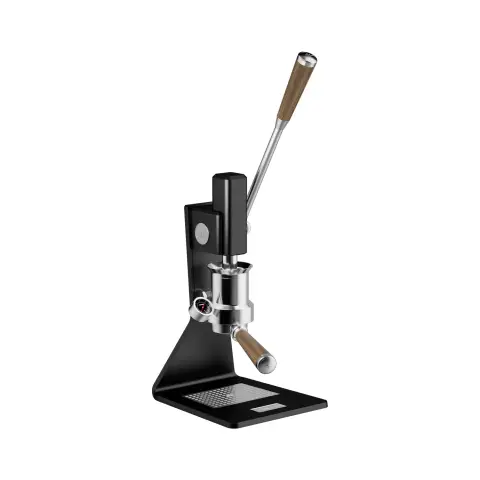
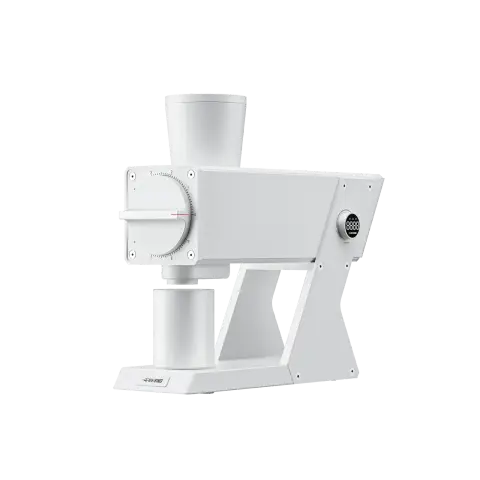
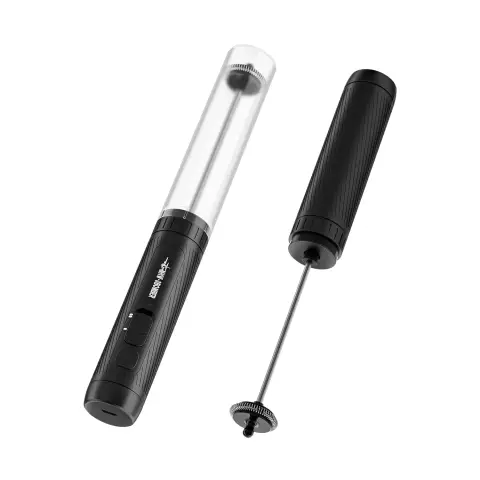
Published products can help identify the categories to discuss. Examples on this site include the MHW-3BOMBER Sonic S7, Navigator grinder family and Magician electric milk frother family. These pages are reference points for an inquiry; they do not confirm stock, final configuration or commercial terms.
For a mixed equipment request, the multi-product sourcing workflow explains how a category brief can be reviewed as one coordinated project.
Confirm the site and utility constraints
Record the physical and utility conditions before asking for a final model recommendation. Important inputs can include:
- counter width, depth and usable working height;
- required clearances and access for operation, cleaning and service;
- local voltage, frequency, plug or connection requirement;
- available electrical circuits and any site load restrictions;
- water inlet, drainage and water-quality information where relevant;
- ventilation, heat and moisture considerations;
- delivery path, doorways, stairs, lifts and unloading constraints; and
- the local party responsible for electrical, plumbing, fire, food-service or other required approvals.
Do not infer site compatibility from a product photograph. Request the current model-specific dimensions, electrical record, installation requirements and any other evidence needed for the destination. Local installation and regulatory decisions should be reviewed by the responsible qualified parties in that market.
Turn service goals into evidence questions
Translate the operating brief into questions the supplier can answer with current records. For each shortlisted model, ask for:
- the exact model, version and available configuration;
- a current specification record and rating-label evidence where available;
- functions and included accessories for the reviewed configuration;
- installation, cleaning and routine-maintenance requirements;
- the basis for any proposed workflow or output recommendation;
- packing quantity, packed dimensions and gross weight;
- available documentation for the destination and shipment; and
- open items that still require factory, supplier or buyer confirmation.
If a published page and a current supplier record differ, pause the comparison and confirm the exact version. Similar names or images are not enough to establish that two offers describe the same equipment.
Separate launch essentials from later additions
Divide the list into three groups:
- Required for opening. Equipment and accessories needed for the first approved menu and service route.
- Operational protection. Cleaning, spare or backup items considered necessary for the buyer’s operating plan.
- Phase-two additions. Products that can be reviewed after the workflow and customer demand become clearer.
This prevents a broad catalogue request from obscuring the first purchasing decision. It also gives the supplier a clearer basis for proposing one coordinated shortlist.
Keep product evidence and commercial terms separate
First confirm that the equipment identity and configuration match the operating brief. Then request commercial terms for that reviewed scope.
Price, MOQ, availability, lead time, sample policy, customization, warranty, service access and certification scope must be confirmed for the exact inquiry. Do not transfer terms from a similar model or an older catalogue into the current comparison.
Packing and delivery support also depend on the reviewed shipment. Final carton data, destination and current freight evidence are required before a delivery indication can be treated as firm.
Build a decision-ready shortlist
Keep the first shortlist manageable. For each candidate, record:
- exact model and product link;
- intended role in the workflow;
- confirmed evidence;
- missing evidence;
- site or utility questions;
- buyer preference or constraint;
- requested quantity; and
- next action, such as configuration review, sample discussion or quotation.
The objective is not to select the longest feature list. It is to make the workflow, evidence gaps and next decision visible to everyone reviewing the project.
Commercial equipment inquiry template
Use these fields in an email or WhatsApp message:
- Country, city and venue type:
- Name, company and contact method:
- New venue, upgrade or multi-site project:
- Planned menu and service style:
- Estimated daily volume and buyer-estimated peak period:
- Required equipment categories:
- Models or product links already under review:
- Counter dimensions and delivery-access notes:
- Voltage, frequency, plug, water and drainage information:
- Required accessories, cleaning or backup items:
- Requested quantity:
- Required product, packing or shipment evidence:
- Target decision stage or date:
- Questions that remain open:
For a broader version that also covers packaging, market and destination details, use the coffee equipment sourcing brief. A concise, evidence-aware brief gives the supplier enough context to respond with a relevant shortlist and a clear list of items still requiring confirmation.