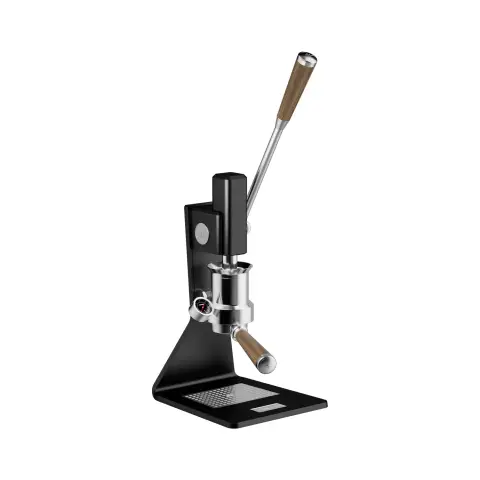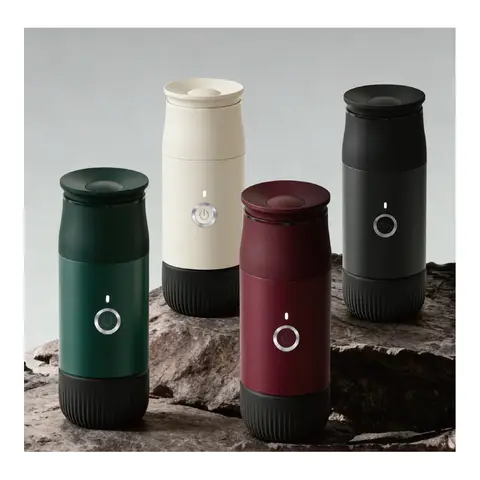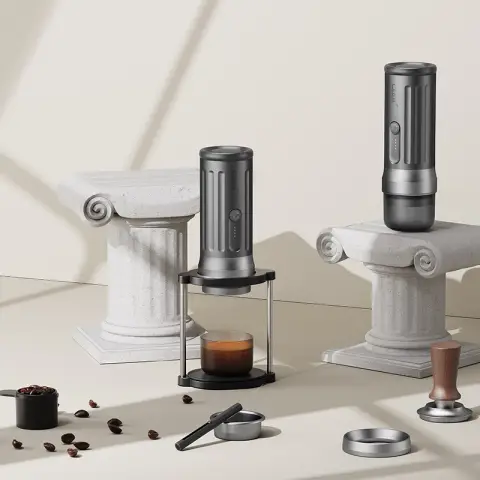

A useful sourcing brief is short enough for a supplier to scan and specific enough for both sides to verify. It should explain the buying context, identify the product scope and separate confirmed evidence from items that still require review.
This structure works for a single portable coffee maker, a mixed equipment order or an early commercial project. It does not require the buyer to know every technical answer before making contact.
Begin with the buying context
Start with the business decision rather than a long list of features. The supplier needs to understand where the equipment will be sold or used and what the buyer is trying to compare.
Include:
- destination country or market;
- buyer or company name and a working contact method;
- target channel, such as distribution, retail, hospitality, office use or a project;
- product category or model reference;
- estimated quantity or trial-order range; and
- any planned decision date, without treating it as a confirmed production or delivery commitment.
This context helps distinguish a retail-ready portable product from equipment intended for a commercial workflow. It also gives the supplier a reason to ask the right follow-up questions.
Build the equipment scope by category
Describe the range before selecting the final model. A multi-category brief can include portable coffee makers, drip formats, grinders, accessories, selected commercial equipment or pre-owned equipment.
Use published brand pages as navigation, not as a promise that every configuration is available. Current YKCoffee ranges include CERA+, Konmo and MHW-3BOMBER, alongside other published brand collections. Record the exact product links or model names that should be compared.
For each category, note the intended user, expected operating environment and the main buying constraint. Examples include portability, coffee format, workflow capacity, counter space, accessory compatibility or the need to review equipment condition.
Record the exact model and configuration
Small differences in a model name, version or accessory set can change the evidence needed for review. Avoid writing only “portable espresso machine” or “commercial grinder” when a model reference is available.
Add the configuration fields that matter to the project:
- exact model or version;
- required color or finish;
- voltage, frequency and plug requirement;
- coffee format or compatible consumable;
- included accessories;
- packaging language or branding request; and
- any sample, inspection or documentation requirement.
Mark unknown fields as to be confirmed. This is more useful than filling the brief with assumptions taken from a similar-looking product.
Separate evidence from commercial terms
Product evidence and commercial terms answer different questions. Keep them in separate parts of the brief so an unverified specification does not become an accidental promise.
- Model identity. Request the current specification record and model-matched images so both sides can confirm they are discussing the same version.
- Electrical configuration. Request a rating-label or supplier-confirmed electrical record to support destination and configuration review.
- Packing. Request the current carton count, packed dimensions and gross weight to support freight and handling review.
- Battery, when applicable. Request the battery configuration and available transport documentation to support route and carrier review.
- Accessories. Request a model-matched packing list or accessory record to define what is included in the offer.
- Customization. Request model eligibility, artwork steps and sample requirements before defining the branding scope.
Price, MOQ, lead time, stock, certification scope and customization eligibility should be reconfirmed for the exact inquiry. A catalogue page can start the comparison, but it should not replace a current commercial review.
Add destination and export details
Export preparation starts with the destination and final packed shipment data. Provide the country, city or postcode and explain any delivery access constraints that are already known.
If a delivery indication is required, state the preferred trade or delivery basis and ask what shipment information is still missing. The DAP preparation guide explains why packed dimensions, weight, destination and current carrier evidence must be aligned before a delivery figure is treated as firm.
Also identify who will review destination-market import requirements, documentation and local compliance. The sourcing brief should record open responsibilities instead of hiding them inside a broad request for “door delivery.”
Create a short comparison list
Limit the first review to a manageable shortlist. For each candidate, record:
- the exact model and link;
- the buyer use case;
- the evidence already available;
- the open questions;
- the requested quantity; and
- the next decision, such as specification confirmation, sample review or quotation.
This makes it easier to compare models without mixing confirmed facts, buyer preferences and pending commercial information.
Buyer brief template
Copy the following fields into an email or WhatsApp message:
- Country or destination:
- Name and company:
- Email or WhatsApp:
- Target channel or project:
- Product category:
- Models or product links:
- Estimated quantity:
- Voltage, plug or coffee-format requirement:
- Color, packaging or branding request:
- Required evidence or documents:
- Delivery destination or preferred shipping basis:
- Target decision date:
- Questions that must be confirmed:
The brief does not need to be perfect. Its purpose is to make the first supplier response specific, traceable and useful for the next buying decision.
When the shortlist is ready, prepare a YKCoffee sourcing inquiry with the country, contact, product or model and estimated quantity.